If you are thinking about buying a condo or townhome in Somerville, NJ, you are probably weighing convenience, monthly costs, and long-term value all at once. That can feel exciting, but it can also get complicated fast when two homes that look similar on the outside come with very different fees, rules, and maintenance responsibilities. The good news is that with the right local guidance, you can ask better questions, compare options clearly, and move forward with more confidence. Let’s dive in.
Why Somerville attracts attached-home buyers
Somerville appeals to buyers who want a lower-maintenance lifestyle with easy access to downtown amenities and transportation. The borough highlights Main Street as a shopping and dining destination, and the area is served by major travel routes, NJ Transit buses, and the Raritan Valley Line.
That mix can make condos and townhomes especially attractive if you want to be closer to restaurants, services, and commuter options without taking on the full upkeep of a detached home. NJ Transit also notes that Somerville Station includes parking, bike accommodations, and accessibility features, though current station work is affecting traffic patterns through late 2027.
What the Somerville market looks like
Somerville’s condo and townhome market is relatively small, which means each listing can feel very specific to its building, street, and association. Current listing portals show limited condo inventory and a somewhat broader pool of townhomes, with asking prices in the mid-$500,000 range.
Zillow currently shows 1 condo listing in Somerville at $550,000 and 13 townhomes. Redfin shows 10 townhouses for sale at a median listing price of $558,000.
Closed-sale data tells a similar story but also shows why broad labels can be misleading. Redfin reports a median sale price of $559,665 over the last 3 months, with 16 homes sold in May 2026 and a median 24 days on market. Realtor.com reports a median listing price of $607,500, 29 active listings, and a median 29 days on market.
You may also see mixed descriptions of the market. One source labels Somerville a buyer’s market, while another calls it very competitive. In a smaller attached-home market, the safer takeaway is to rely on current comparable listings and recent sales in the specific community you are considering.
Condos vs. townhomes in Somerville
A condo usually means you own the interior of your unit while shared areas are owned collectively and managed by an association. In many condo communities, your monthly fee helps cover exterior maintenance and common areas, and it may also include items like water, sewer, trash, insurance, recreation, or reserve funding.
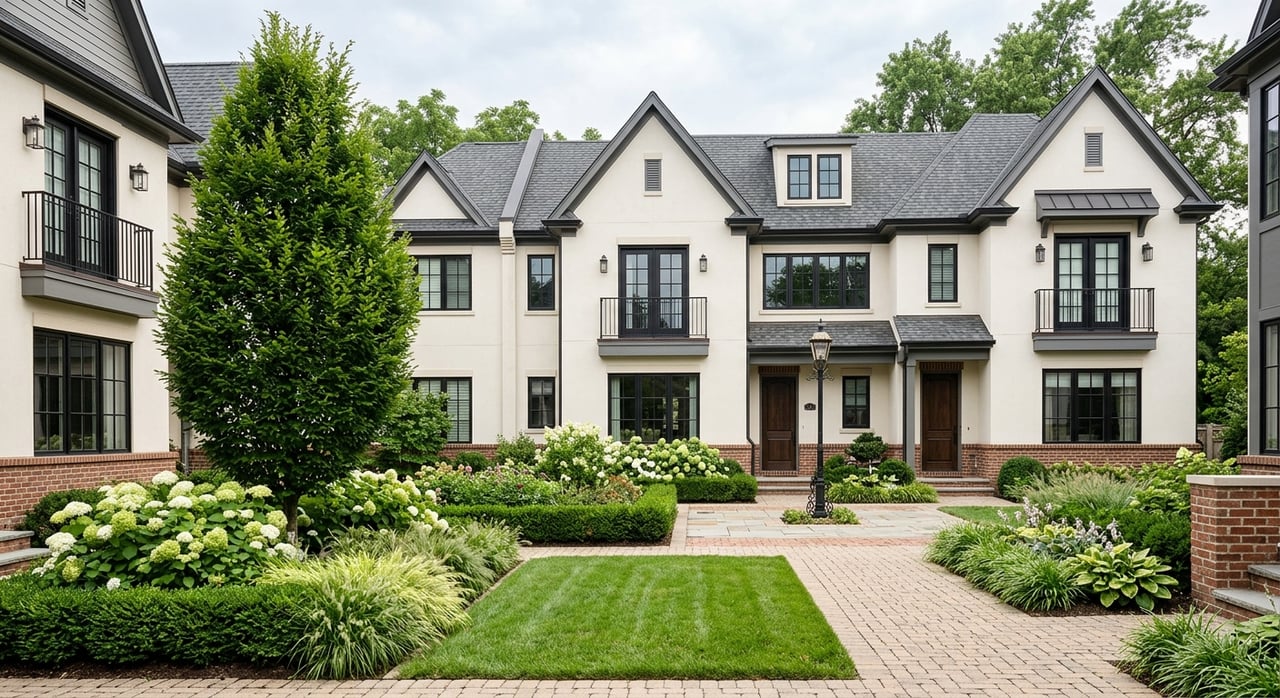
A townhome can look more like a traditional house, but the ownership structure is not always obvious from the outside. Some townhomes are condo-style, while others are fee-simple, and that difference affects who is responsible for siding, roofs, windows, doors, lawns, parking areas, and other exterior elements.
In New Jersey, common areas may include hallways, basements, siding, windows, doors, roofs, parking lots, and lawns. In some fee-simple developments, the association may not handle residential building maintenance at all. That is why you should never assume maintenance responsibility based only on the building style.
Why attached homes can still be a smart entry point
In Somerset County overall, attached homes are often the lower-price option compared with detached single-family homes. New Jersey REALTORS reports a year-to-date median sales price of $906,000 for single-family homes in Somerset County, compared with $465,000 for townhouse-condo properties in May 2026.
Somerville can be a little different because downtown attached homes may overlap with the lower end of detached-home pricing. Still, countywide data suggests condos and townhomes often provide a more accessible path into homeownership, especially if location and lower exterior maintenance matter to you.
Look beyond price before you buy
The list price is only one part of the decision. With condos and townhomes, your monthly carrying cost can also include association dues, insurance differences, and potential assessments.
Condo or HOA dues are typically separate from your mortgage payment. Those dues can range from a few hundred dollars per month to more than $1,000, so it is important to build them into your budget early rather than treat them as an afterthought.
You should also understand what those dues actually cover. In one community, the fee may include major exterior maintenance and some utilities. In another, you may still be responsible for more upkeep than you expected.
What New Jersey law means for you
New Jersey condo law gives associations broad responsibility for maintaining common elements, collecting common expenses, adopting and enforcing rules, and keeping accounting records. If the governing documents allow it, associations may also impose reasonable fines, assessments, and late fees, and unpaid assessments can become a lien.
The law also allows certain capital contribution or resale-related charges if the master deed or bylaws permit them. Those charges are capped at nine times the most recent monthly common-expense assessment.
For you as a buyer, that means the documents matter. Before you commit, you want a clear picture of the association’s financial health, its rules, and any costs that could affect your monthly budget or closing expenses.
Questions to ask before making an offer
A good condo or townhome purchase is often about the questions you ask before you fall in love with the kitchen or floor plan. The right due diligence can help you avoid surprises later.
Ask about:
- Current monthly HOA or condo dues
- Any planned or recent special assessments
- What the bylaws allow or restrict
- Whether parking is deeded, assigned, or shared
- What the master insurance policy covers
- How much the association has in reserves
- Whether the community is renter-friendly
- What exterior items the association maintains
- What owner modifications are allowed
- How the board and officers are elected
Association decisions can affect both your day-to-day living and your future resale value. That is why these questions deserve as much attention as the home’s finishes or square footage.
Review meetings, records, and reserves
In New Jersey, meetings where an association board takes a binding vote must be open to unit owners. The association must provide at least 48 hours’ written notice with the time, date, location, and agenda, and meeting minutes must be available before the next open meeting.
Associations must also maintain accounting records that owners can inspect at reasonable times. Those records include receipts, expenditures, and each unit’s common-expense account.
For a buyer, this matters because transparency can tell you a lot about how a community is run. Strong records, clear budgets, and healthy reserve planning can reduce the risk of surprise costs after closing.
Financing a condo or townhome
Financing for an attached home can be more involved than financing for a detached house. Lenders may review the project’s physical condition, financial stability, structural-integrity concerns, lawsuits, evacuation orders, and any mandatory inspections.
That review is one reason pre-approval matters early. It also helps to work with a lender who understands condo and project review requirements, especially if you are considering a newer development or a recently converted property.
Timing matters too. Buyers often have only a limited window to review condo documents after an offer is accepted. If your financing team and real estate strategy are already in place, you can make decisions faster and with less stress.
Extra caution with new construction or conversions
If you are buying in a new-construction or newly converted attached-home community, ask for the offering plan, budget, and HOA paperwork as early as possible. In New Jersey, a developer must register an offering plan with the Department of Community Affairs before offering units for sale in a planned real estate development.
That early paperwork review can help you understand the association structure, projected budget, and ownership terms before you get too far into the transaction. It is a practical step that can save time and prevent confusion later.
How to compare Somerville communities
Because inventory is limited, you may need to compare a few very different options rather than a large set of near-identical homes. In Somerville, one attached home may offer a downtown lifestyle and higher dues, while another may offer a quieter setting with different maintenance obligations.
As you compare properties, focus on the full picture:
- Purchase price
- Monthly dues
- Reserve strength
- Rules and restrictions
- Parking setup
- Commute access
- Exterior maintenance responsibility
- Resale potential based on location and community health
This is especially important in a market where attached homes do not always follow a simple “cheaper than detached” rule. The best value often comes from matching the ownership structure to your lifestyle and budget.
A practical buying strategy for Somerville
If you want to buy a condo or townhome in Somerville, start with numbers and documents before emotion takes over. Set a monthly payment range that includes dues, ask detailed association questions early, and review recent comparable sales in the exact community whenever possible.
In a smaller market, details carry more weight. A strong reserve fund, manageable rules, clear maintenance responsibilities, and financing eligibility can shape your experience as much as the home itself.
When you approach the process with local data and a solid review strategy, you give yourself a much better chance of buying the right home, not just the most appealing listing at first glance. If you want a clear, steady guide as you compare condos and townhomes in Somerville, Debbie McLain is here to help.
FAQs
What is the difference between a condo and a townhome in Somerville, NJ?
- A condo usually means you own your unit and share ownership of common areas through an association, while a townhome may be condo-style or fee-simple, so maintenance responsibility can vary by community.
Are condo and HOA fees included in a Somerville mortgage payment?
- No. Condo and HOA dues are usually paid separately from your mortgage payment, so you should include them in your monthly budget from the start.
Are townhomes in Somerville always cheaper than single-family homes?
- Not always. Countywide data shows townhouse-condo properties are usually less expensive than single-family homes, but in Somerville some attached homes can overlap with lower-priced detached homes.
What documents should you review before buying a condo or townhome in Somerville?
- You should review the master deed, bylaws, budget, reserve information, insurance details, rules, and any records related to assessments or major repairs.
What should you ask an HOA before buying in Somerville, NJ?
- Ask about dues, special assessments, reserves, maintenance responsibilities, parking, rental rules, insurance coverage, owner restrictions, and how the board operates.
Why does financing a Somerville condo sometimes take extra care?
- Lenders may review the entire project, including financial stability, physical condition, inspections, and legal issues, so early pre-approval and document review can help avoid delays.