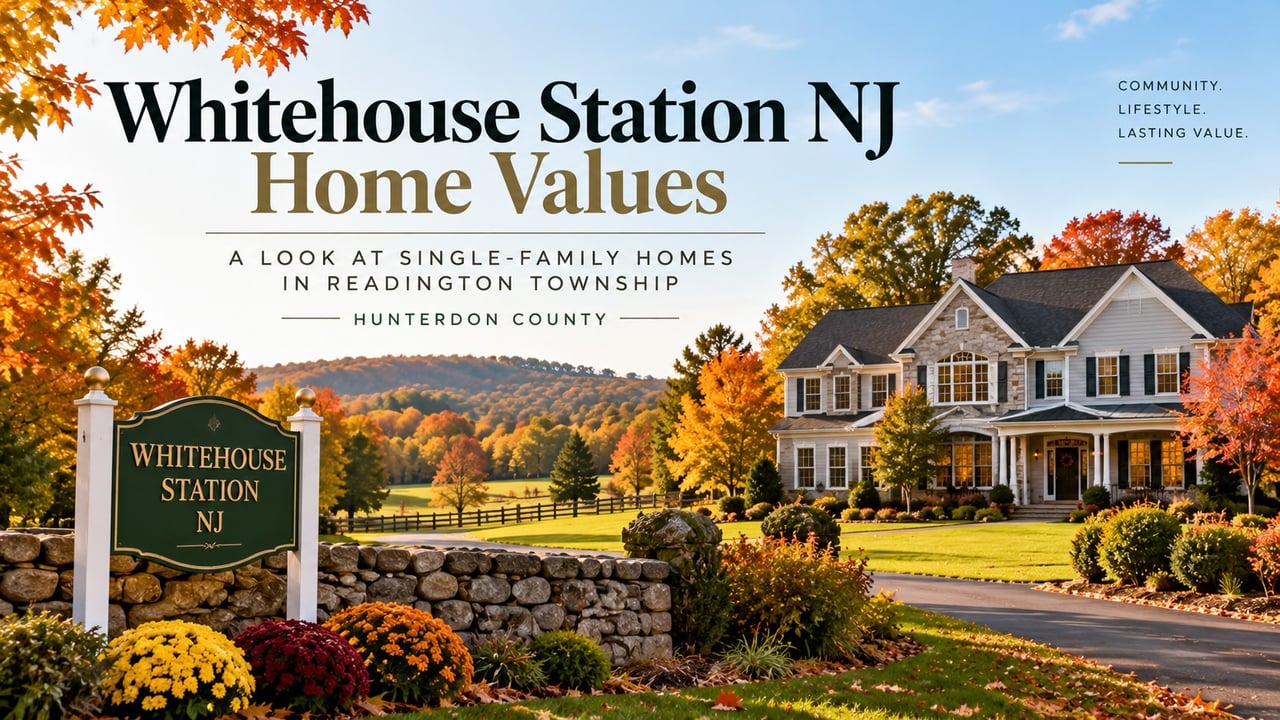
If you are selling a home in Readington Township, your strategy should go beyond square footage and recent paint colors. In this market, buyers often weigh the house and the land, from privacy and usability to wells, sheds, and site layout. When you understand what makes Readington different, you can price more accurately, prepare more thoroughly, and avoid preventable delays. Let’s dive in.
Why Readington selling is different
Readington Township is the largest township in Hunterdon County, covering 47.9 square miles. The township’s character has long been shaped by rural land use, farmland, and open space preservation. That means your property is often evaluated as a full setting, not just a home with a lot line.
For many sellers, that changes the game. Acreage, driveway access, outdoor maintenance, utility setup, and accessory structures can all affect buyer perception and value. In a place like Readington, the site itself is part of the product you are bringing to market.
What the local market suggests
Early 2026 market snapshots point to median sold home prices in Readington Township around $615,000 to $625,000. Active inventory has been reported around 113 listings, while median days on market have ranged from about 16 to 38 days depending on the source and timeframe. Sale-to-list figures have also stayed close to 100%, with some reports showing homes selling slightly over asking on average.
The big takeaway is not that every home will sell instantly or above list. It is that buyers appear to be responding to homes that are priced credibly and presented well. This is not a market where optimistic pricing automatically wins.
Price from local solds, not guesswork
Pricing a Readington home starts with recent closed sales, especially in the same part of town. Because Readington is large and semi-rural, broad averages only go so far. Two homes with similar interior size can perform very differently depending on land usability, updates, privacy, and site features.
That is why local comp selection matters. A home with functional acreage, a well-maintained detached structure, or a more practical layout for outdoor living may compete in a different way than another home with similar bedrooms and baths. Looking at the right solds helps you avoid both underpricing and overreaching.
Features that can affect value
In Readington Township, buyers may look closely at:
- Acreage and whether the land feels usable
- Privacy and setbacks
- Driveway access and condition
- Renovation level inside the home
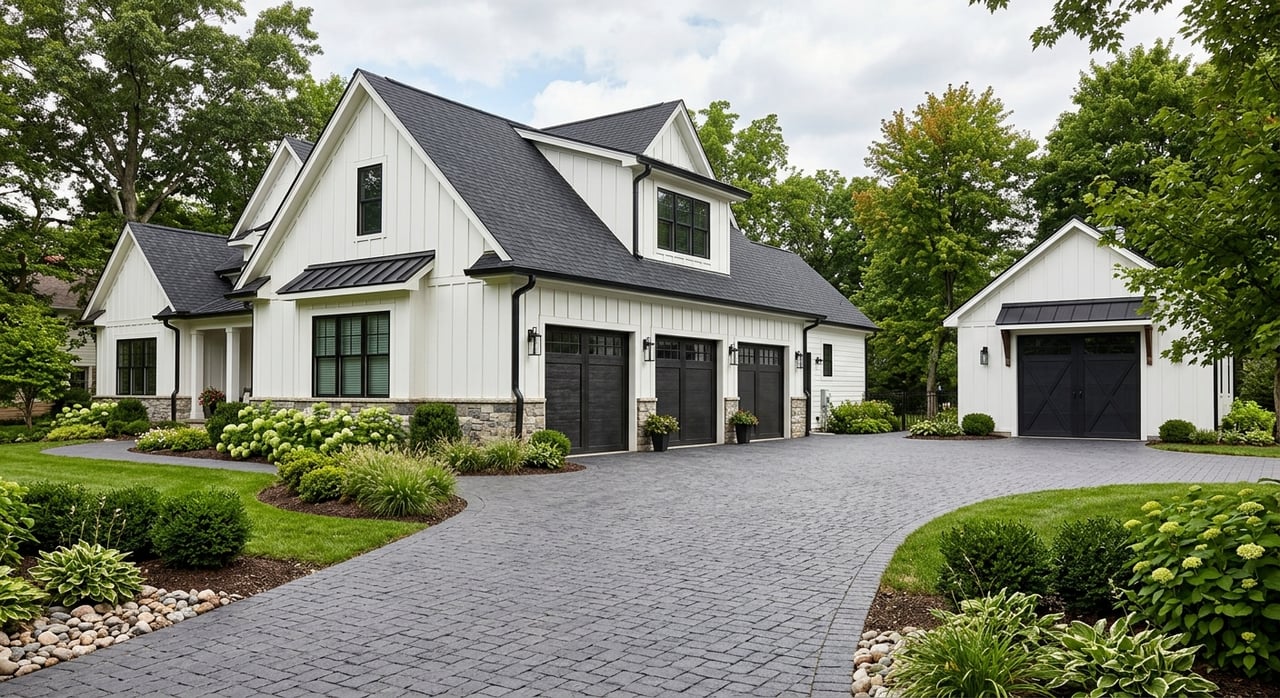
- Detached garages, barns, sheds, or other outbuildings
- Pool presence and documented site improvements
- Overall outdoor maintenance and presentation
A strong pricing strategy accounts for these details instead of treating every lot the same.
Why accurate pricing matters now
Current data suggests buyers are still willing to meet asking price, or come very close, when a home is well positioned. That supports a disciplined launch strategy. A believable list price can create stronger early interest than a price that tests the market too aggressively.
This is especially important in a market that does not clearly show runaway bidding across the board. If your home enters the market overpriced, you may lose momentum during the most important first days. In many cases, that costs more than starting with a smart, supportable price.
Prepare the property, not just the rooms
In Readington, exterior presentation carries real weight. Buyers are often paying attention to how the property functions as a whole, not just whether the kitchen looks updated. The condition of the grounds, the clarity of the layout, and the care of outdoor features can shape how buyers see value.
Before listing, it helps to walk the property as if you were seeing it for the first time. Look at sight lines, overgrowth, access points, fencing, gravel or paved areas, and the condition of structures beyond the main house. A clean, legible property tends to feel more valuable and easier to understand.
Focus on site readiness
Your prep list may include:
- Trimming overgrowth and clearing paths
- Defining outdoor living or gathering areas
- Cleaning and organizing barns, sheds, or detached garages
- Addressing visible maintenance on fences, drives, and drainage areas
- Gathering records for additions and outdoor improvements
- Making sure the property feels cared for from the road to the rear lot area
Even simple improvements can help buyers connect the dots more quickly.
Inventory sheds, barns, pools, and other structures
Accessory structures deserve extra attention before your home goes live. Readington’s zoning department states that fences and sheds require zoning permits, including accessory structures of 200 square feet or less. The township’s zoning permit form also asks for existing accessory structures, including pools, with dimensions.
For you as a seller, that means it is smart to create an early inventory of what exists on the property. Detached garages, sheds, lean-tos, barns, pools, and similar improvements should be identified before listing. If you have permits, dimensions, or related records, gather them in advance.
Why this step matters
Missing information can slow down buyer review and create stress during attorney review, inspection, or closing prep. When you already have a clear record of structures and improvements, you can answer questions more confidently. That kind of preparation supports a smoother transaction.
Schedule well testing early if you have a private well
For many rural and semi-rural homes, private wells are a major part of the sale process. In New Jersey, the Private Well Testing Act requires testing when a property with a potable private well is sold. Buyer and seller must review the test results before title can close.
This matters even more in Hunterdon County because uranium testing is required there. If your property has a private well, waiting too long to schedule testing can create avoidable closing pressure. Starting early gives everyone more room to review results and address next steps if needed.
Important well-testing point
If a well result does not meet standards, the law itself does not require treatment. According to NJDEP, that becomes a negotiated item between buyer and seller. That is another reason early testing is so valuable. It gives you time to evaluate options rather than scrambling at the end.
Handle disclosures carefully
New Jersey sellers should take the Property Condition Disclosure Statement seriously. State Consumer Affairs instructions say questions 1 through 108 are mandatory for all sellers of residential real property, and flood-risk addendum questions 109 through 117 are mandatory for all sellers of real property.
The form is designed to disclose the condition of the land, structures, systems, and amenities, along with any known material defects. It is not a warranty, but it is a meaningful part of the transaction. Completing it carefully helps reduce confusion and supports cleaner negotiations.
Understand flood disclosure requirements
Flood disclosure is now a formal part of the process in New Jersey. Beginning March 20, 2024, every seller of real property must disclose specified flood-risk information before the buyer becomes obligated under the purchase contract.
That includes whether the property is in FEMA’s Special Flood Hazard Area or Moderate Flood Hazard Area, along with any actual knowledge of flood risk. If your property has any flood-related history or mapped flood-zone relevance, it is important to address that early and accurately.
Build a realistic launch timeline
A practical Readington seller timeline often starts at least a month before the target list date. National seller research found that 53% of sellers took one month or less to prepare their home for listing, but Readington properties often involve more moving pieces. Acreage homes, private wells, and accessory-structure research can easily stretch the prep window.
If your property is more complex, more lead time is usually better. That gives you room to handle paperwork, site cleanup, pricing analysis, and any testing or permit follow-up before buyers begin asking questions.
A simple pre-list timeline
4 to 6+ weeks before listing
- Meet with a local agent to review pricing and timing
- Pull together records for improvements and structures
- Schedule private well testing if applicable
- Start property cleanup and exterior maintenance
2 to 3 weeks before listing
- Finalize disclosure forms
- Confirm details on sheds, pools, fences, or other structures
- Complete interior and exterior touch-ups
- Prepare the home for photography and marketing
Listing week
- Launch with a pricing strategy based on current local comps
- Make sure property details are easy for buyers to understand
- Be ready to respond quickly to questions about land, utilities, and improvements
Think about net proceeds, not just sale price
If your home may sell above $1 million, there is another number to watch closely in New Jersey. NJ Realtors notes that for contracts fully executed on or after July 10, 2025, sales above $1 million shift the 1% fee burden to the seller and apply a tiered seller-paid fee at higher price points.
This does not mean you should hesitate to price confidently. It does mean you should plan with your net proceeds in mind. A smart seller strategy looks at the full picture, including transfer-related costs, not just the top-line offer amount.
Why local guidance matters in Readington
Readington is not a one-size-fits-all market. Township-wide averages can be helpful, but pricing and preparation decisions usually come down to property-specific factors. Local sold data, land characteristics, well requirements, and township-level details all shape the best path forward.
NJ Realtors updates housing market statistics monthly at the state and county level, and municipality-level reports are available to REALTORS. That makes local guidance especially useful when you are trying to choose comps, set timing, and estimate your proceeds with more confidence.
If you are thinking about selling in Readington Township, the best first move is to get a clear plan before your home hits the market. Debbie McLain can help you price strategically, prepare thoroughly, and navigate the details with steady communication from start to finish.
FAQs
What makes selling a home in Readington Township different?
- Readington homes are often judged on both the house and the property itself, including acreage, privacy, land usability, outdoor condition, and accessory structures.
How should you price a home in Readington Township?
- Start with recent closed sales in the same area of Readington and adjust for land, renovation level, usability, and outbuildings rather than relying only on township-wide averages.
Do sellers in Readington Township need to worry about sheds and barns?
- Yes. Readington’s zoning department requires attention to accessory structures such as sheds and fences, so it is wise to inventory structures early and gather dimensions and permit records if available.
When should you schedule private well testing for a Readington Township home sale?
- As early as possible. New Jersey requires testing for the sale of property with a potable private well, and buyer and seller must review the results before closing.
What disclosures are required when selling a home in New Jersey?
- New Jersey requires sellers to complete mandatory property condition disclosure questions and mandatory flood-risk disclosure questions, along with disclosing known material defects.
Is flood disclosure required for a Readington Township home sale?
- Yes. New Jersey requires sellers to disclose certain flood-risk information before the buyer becomes obligated under the contract.
How far ahead should you prepare to sell a Readington Township home?
- At least a month is a practical starting point, and longer is often better for homes with acreage, private wells, or multiple accessory structures.